





The 2026-27 California Budget Process is Underway — Here’s What We Need To Do Now
KQED: Youth Homelessness Is Declining in California. Funding Cuts Threaten Progress
January 13, 2026
Permanent Supportive Housing Working Group Compendium: Research, Resources, and Recommendations
February 6, 2026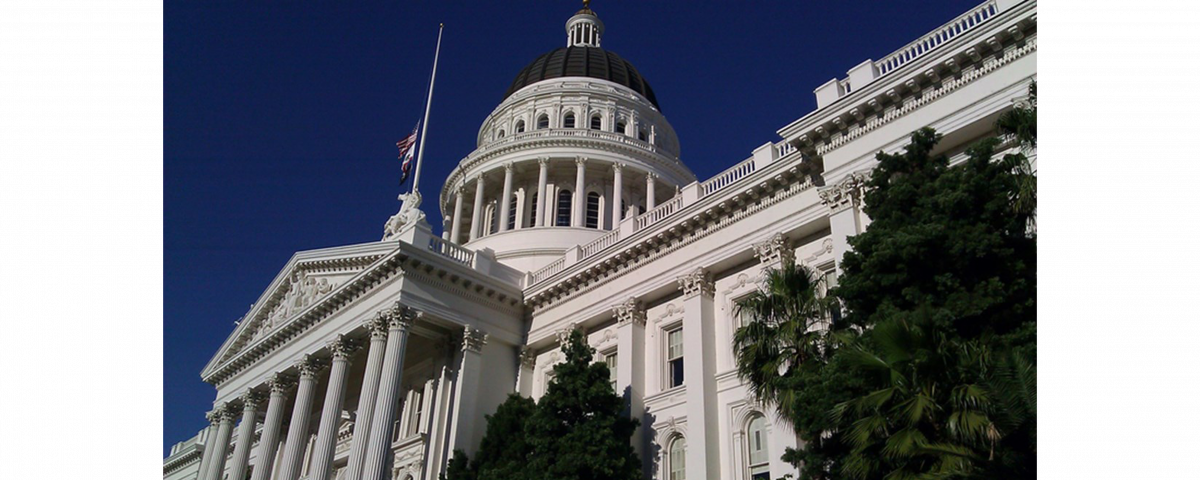
As the 2026 state budget process kicks off, the Governor, State Legislators, and the vast majority of voters all agree: the state must make more progress in addressing housing affordability and homelessness.
Unfortunately, the Administration’s initial budget proposal released on January 9 does not include the investments needed to produce and preserve affordable housing at the scale Californians need.
We’ve been here before, and we know what we need to do next. In recent years the January budget proposal has had us start negotiations from scratch, despite the meaningful, measurable progress that we’re making every year with fairly modest state investments in affordable housing and homelessness solutions. With one-time resources from last year’s budget and the last housing bond exhausted — and the looming threat of federal cuts — now is not the time to scale back our progress, but double down on it.
NPH is part of a statewide coalition offering lawmakers a different path forward: a unified funding proposal for the priority housing and homelessness programs our state needs to serve our communities.
Our collective task over the next five months of this budget process will be to ensure the final 2026-27 state budget enacted in June reflects the urgency called for in this moment. We can’t afford to sit this fight out.
What’s in and out of the Governor’s initial Budget Proposal?
The Governor’s initial 2026-27 budget proposal celebrates the benefits of the multi-year process to streamline housing and homelessness funding and oversight with the new California Housing and Homelessness Agency (CHHA) and the Housing Development and Finance Committee (HDFC) coming online this year — work that NPH has championed and supported.
However, despite the administration’s revenue projections being far rosier than the Legislative Analyst’s Office (LAO) expected, the Governor’s initial proposal does not include any new state funds for existing affordable housing programs, limiting both the success of the new CHHA, as well as NPH members’ ability to sustain, much less continue making progress on, providing homes and opportunity to Californians.
What’s in the the Governor’s initial budget proposal:
- More state agency support to make building affordable housing take less time and money, through the new California Housing and Homelessness Agency (CHHA) and the Housing Development and Finance Committee (HDFC)
- One specific example is a proposal to split the Affordable Housing and Sustainable Communities program (AHSC) into two pots: one for housing funding to be administered by the new HDFC, and one for transit/infrastructure funding that remains with the Strategic Growth Council. Moving the housing portion directly under the HDFC could reduce the need for multiple applications, saving time and money.
What’s currently out — the Governor’s initial budget proposal contains no funding for:
- State Low-Income Housing Tax Credits (LIHTC) supporting the State’s ability to leverage all the federal dollars available to build new affordable housing in California through the federal LIHTC program.
- Multifamily Housing Program (MHP), the State’s flagship program, supporting mission-driven developers to provide even deeper levels of affordability. MHP is oversubscribed nearly 20 to 1 and funding is expected to be fully depleted this year.
- CalHome, supporting the construction and rehabilitation of affordable homeownership. CalHome has been zeroed out since 2023 and currently has no available funds.
- Joe Serna, Jr. Farmworker Housing Grant Program (Serna), supporting lower-income agricultural workers and their families.
- Infill Infrastructure Grant Program (IIG), supporting the infrastructure needed for infill affordable housing development.
- Veterans Housing and Homelessness Prevention Program (VHHP), supporting the production and preservation of affordable housing for veterans and their families.
- Portfolio Reinvestment Program (PRP), supporting aging affordable housing to remain affordable through deed-restriction. PRP has not been funded in a few budget cycles.
Across the state, nearly 45,000 shovel-ready affordable homes are waiting on funding to move forward into construction. As currently proposed, this budget would leave these blueprints on the shelf to gather dust, with no clear path to getting funding, even as need increases.
What would this budget mean, if enacted, for the Bay Area?
The nine-county Bay Area, like all parts of the state, relies on budget-funded programs that are critical to the construction, preservation, and operation of the affordable housing that supports our neighbors — from teachers and nurses to people exiting homelessness — and are all zeroed out in this initial budget proposal.
While it’s difficult to forecast precise implications, looking at the resources distributed from these housing programs in 2025-26 can provide us a sense of what these budget choices could mean for the Bay Area.
Programs like AHSC and the Permanent Local Housing Allocation (PLHA) are outside of the scope of this budget proposal, so they will continue to direct funding to the Bay Area. However, the majority of state funds that supported the region in 2025 came from programs that this budget proposal does not fund for ‘26-’27. Collectively, they delivered over $333 million in funding in 2025-26.
| Budget-Based Program | 2025-26 Awards to Bay Area Counties | Initial 2026-27 Budget Proposal |
|---|---|---|
| Multifamily SuperNOFA Round 31 | $176,018,882 | $0 |
| State Low-Income Housing Tax Credit (LIHTC)2 | $121,181,586 | $0 |
| CalHome3 | $33,703,003 | $0 |
| Serna Homeownership SuperNOFA4 | $2,202,500 | $0 |
| Grand Total | $333,105,971 | $0 |
1 https://www.hcd.ca.gov/sites/default/files/docs/grants-and-funding/supernofa/mfsn-r-3-award-list.xlsx
2https://www.treasurer.ca.gov/ctcac/2025/application.asp
3https://www.hcd.ca.gov/sites/default/files/docs/grants-and-funding/hosn/2024-hosn-calhome-award-list.pdf
4https://www.hcd.ca.gov/sites/default/files/docs/grants-and-funding/hosn/2024-hosn-serna-award-list.xlsx
If the final version of the budget retains these cuts, the Bay Area will collectively face a significant setback in funding to build the housing our communities need. Because many of these programs are competitive, it’s difficult to say with certainty what the region would receive if the programs were funded. However, it’s clear that if this budget is not amended, NPH members will be doing the same work but with over $333M less in the Bay Area ecosystem than in 2025.
Navigating the budget process: what do we need to do now?
We’re in the earliest stage of budget negotiations
We will be working to make sure that affordable housing solutions remain central as negotiations and plans unfold, in order for us to deliver on our promises and meet our region’s needs.
With the support of our members, NPH and our partners have successfully navigated this unfortunate dance in recent years, securing funding sources left out of the initial budget proposal through negotiations before the budget is finalized. But that will only happen if our affordable housing movement shows up in strength.
Thankfully, the January Budget Proposal is only the first step in the budget process. Now, the legislature begins its process of evaluating the state budget and preparing their counter-proposal. Budget subcommittees will start to meet and discuss their smaller portions of the state’s budget.
In May when there is, hopefully, a clearer picture of the state’s tax receipts, the governor’s administration will release the May Revise. The legislature is then required to pass a balanced budget by June 15. This typically happens concurrently with negotiations with the administration, since the governor still needs to sign the bills into law for the start of the fiscal year on July 1.
At each of these steps, there will be opportunities for you to weigh in with legislators and decision-makers about the importance of state funding to your critical work in building, operating, and sustaining affordable housing for Californians. It is vital for you to raise your voice and make your case alongside NPH. We can’t afford to sit this fight out.
Moving in coalition to win funding for affordable housing
NPH has joined with more than 50 diverse organizations – representing wide-ranging expertise across affordable housing, homelessness, legal, education, economic justice and other related policy issue areas – to align on an identified set of priority housing and homelessness programs to make sure California doesn’t fall behind.
These proposals are responsive to our current funding environment, which recognizes our state budget forecast, as well as the federal threats, while centering Californians’ greatest needs.
Collectively, these proposals would need less than one percent of the General Fund to address the full spectrum of affordable housing and homelessness needs by investing in proven programs that produce and preserve affordable rental housing and for-sale homes and end homelessness for Californians across the state, including:
- Continuing to fund State Low-Income Housing Tax Credits (LIHTC), at $500 million as it has been each year since 2019
- Fund the Multifamily Housing Program (MHP), at $500 million
- Fund the Portfolio Reinvestment Program (PRP), at $200 million
- Fund CalHome, at $500 million
- Increase funding to the Joe Serna, Jr. Farmworker Housing Grant Program, at $100 million
How does the statewide affordable housing bond help?
Passing a statewide affordable housing bond helps make a future annual budget process easier, with a revenue stream to fund the affordable housing programs at risk every budget cycle. The potential for a $10B bond to support the broad spectrum of housing solutions is an exciting opportunity for our members to support this year and a priority of NPH’s advocacy in Sacramento.
Still, state lawmakers must take decisive action in this year’s budget to bridge the state to the potential funding from a bond. While a bond is crucial to supporting our members’ long-term sustainability, ensuring these programs have funding in the 2026-27 budget is critical for non-profit developers to be able to hold and expand on regional progress – while protecting against federal cuts and threats. Our state can’t afford to lose ground while we set the stage for the future.
Ready to join us?
When we invest in affordable housing we do more than build or rehabilitate structures, we transform the lives of families in our communities, preventing displacement, improving people’s health and children’s education, creating new jobs, and fostering stronger, safer, more resilient neighborhoods. The vast majority of Bay Area residents want to see an increase in investment in affordable housing to make these benefits real for all of us.
As a member of NPH, you have power to make a difference:
- Renew your NPH membership for 2026 (or join if you haven’t) to be part of our effort to secure funding for affordable housing this year.
- Join the Legislative Working Group, which will serve as our state budget negotiation nerve center. Through the working group, members can receive the timeliest updates on the state legislative process, including the budget, and add your voice to the coalition.
- Stay tuned for opportunities to participate in Sacramento. As we work with our coalition partners over the next few months, we will push our champions in the legislature to step up and fund the most foundational aspect in the lives of every Californian: affordable housing.